italiano
GUBBIO USEFUL INFORMATION
Come and discover the most beautiful medieval city

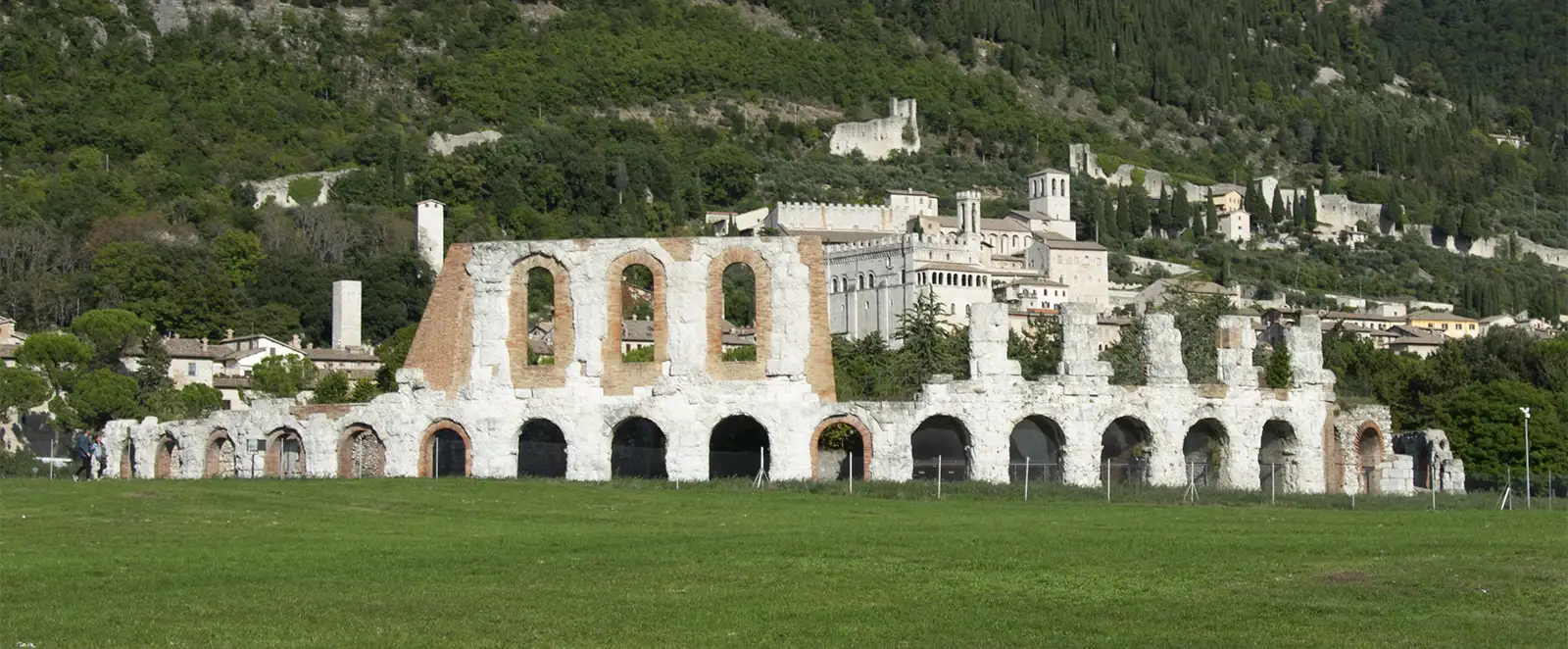
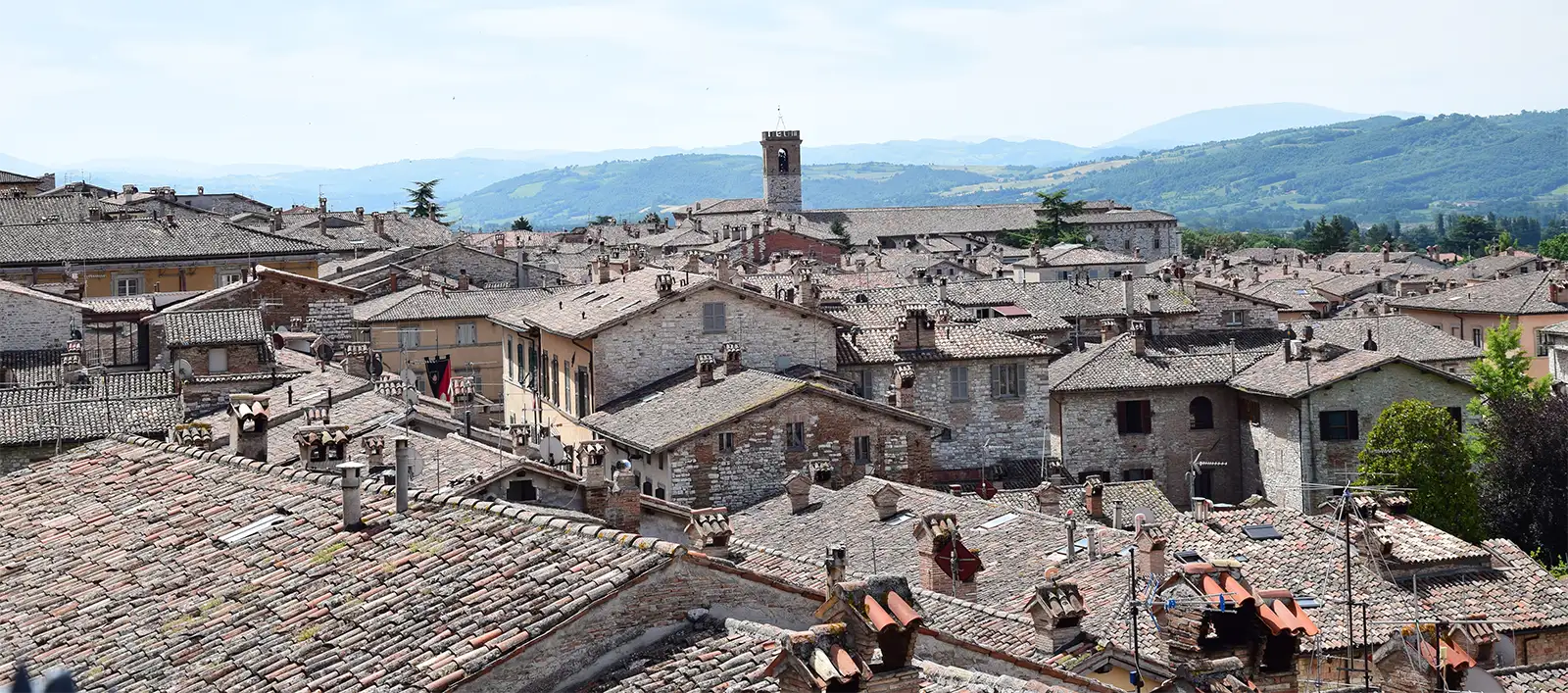

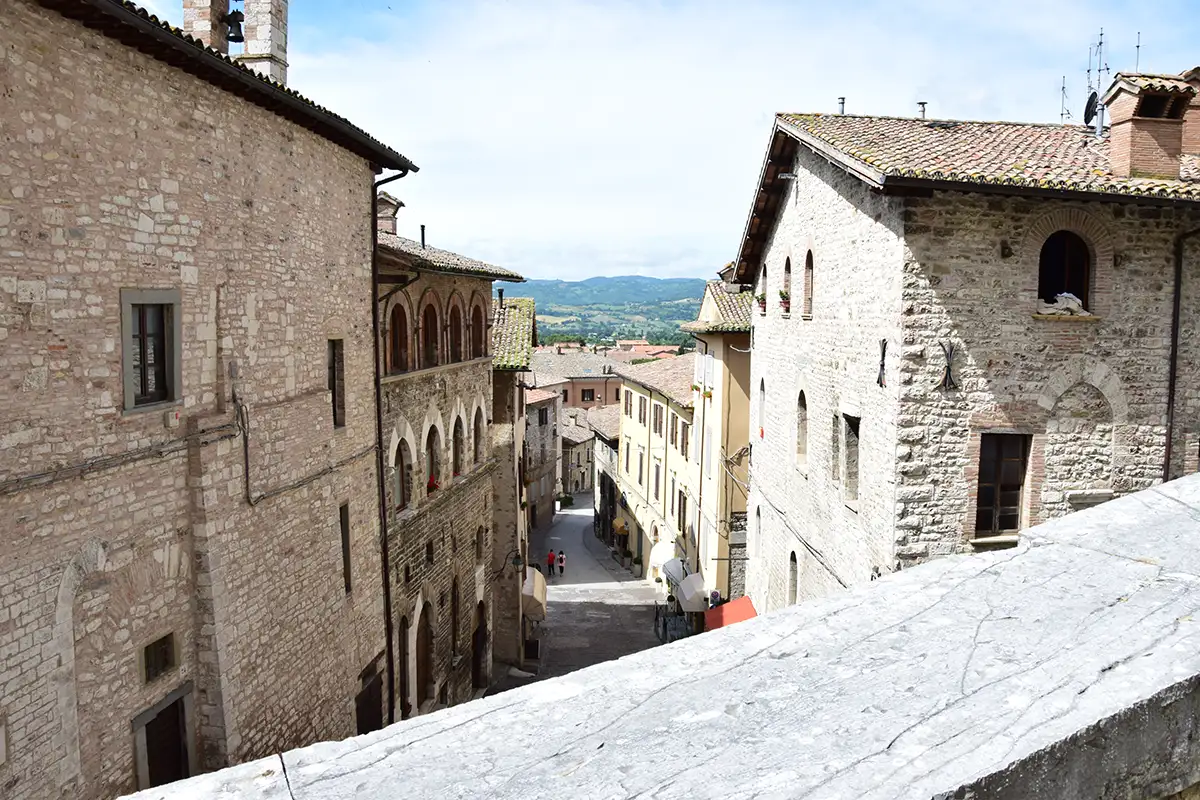
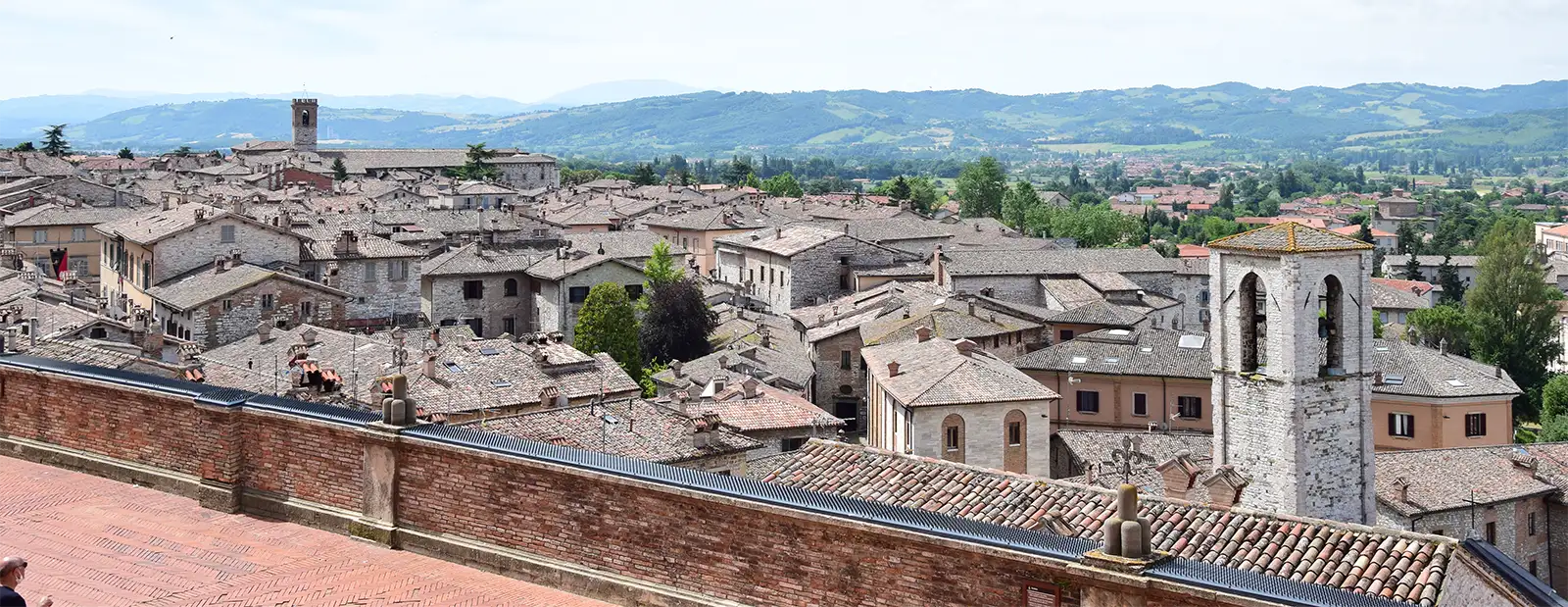
Gubbio, nestled among the green Umbrian hills, is a city that enchants visitors with its intact medieval atmosphere, its imposing monuments and its centuries-old traditions. Visiting Gubbio means taking a trip back in time, immersing yourself in a unique historical and cultural context, and discovering a territory rich in charm and authentic flavors.
Gubbio offers a historical and artistic heritage of great value. Here are some unmissable stops for a tourist:
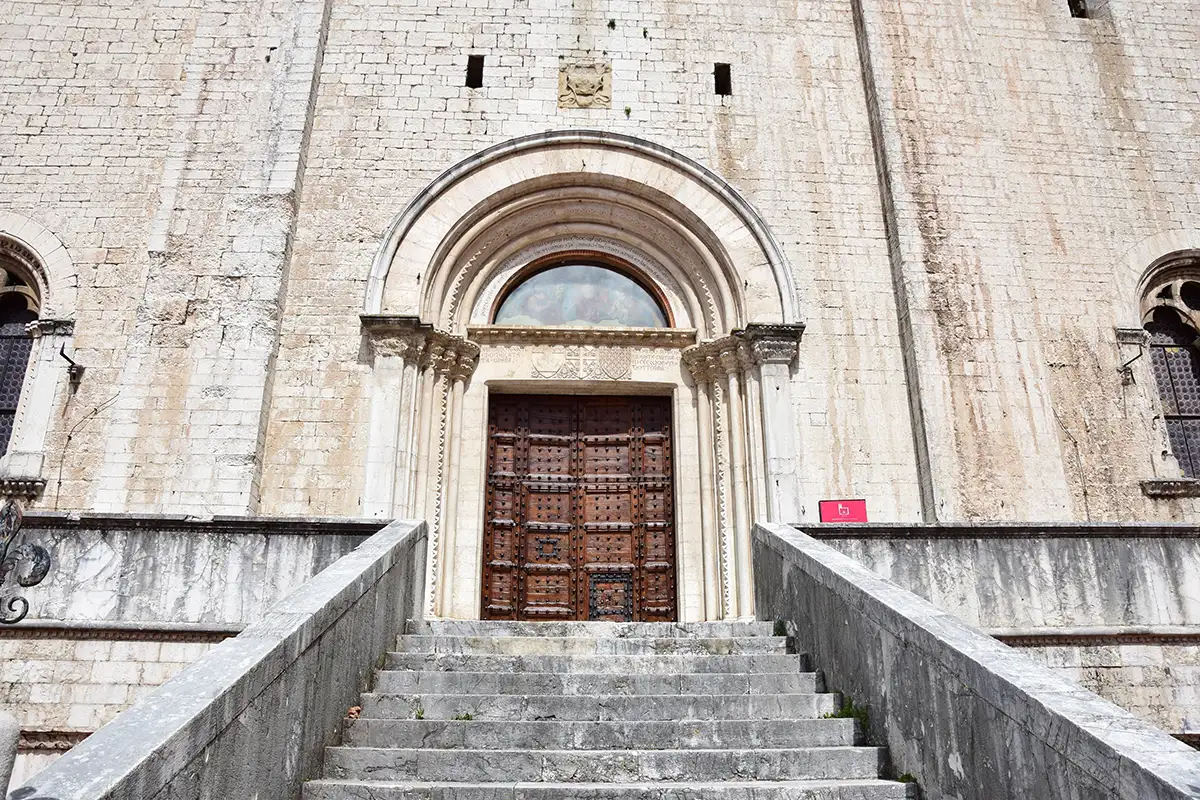
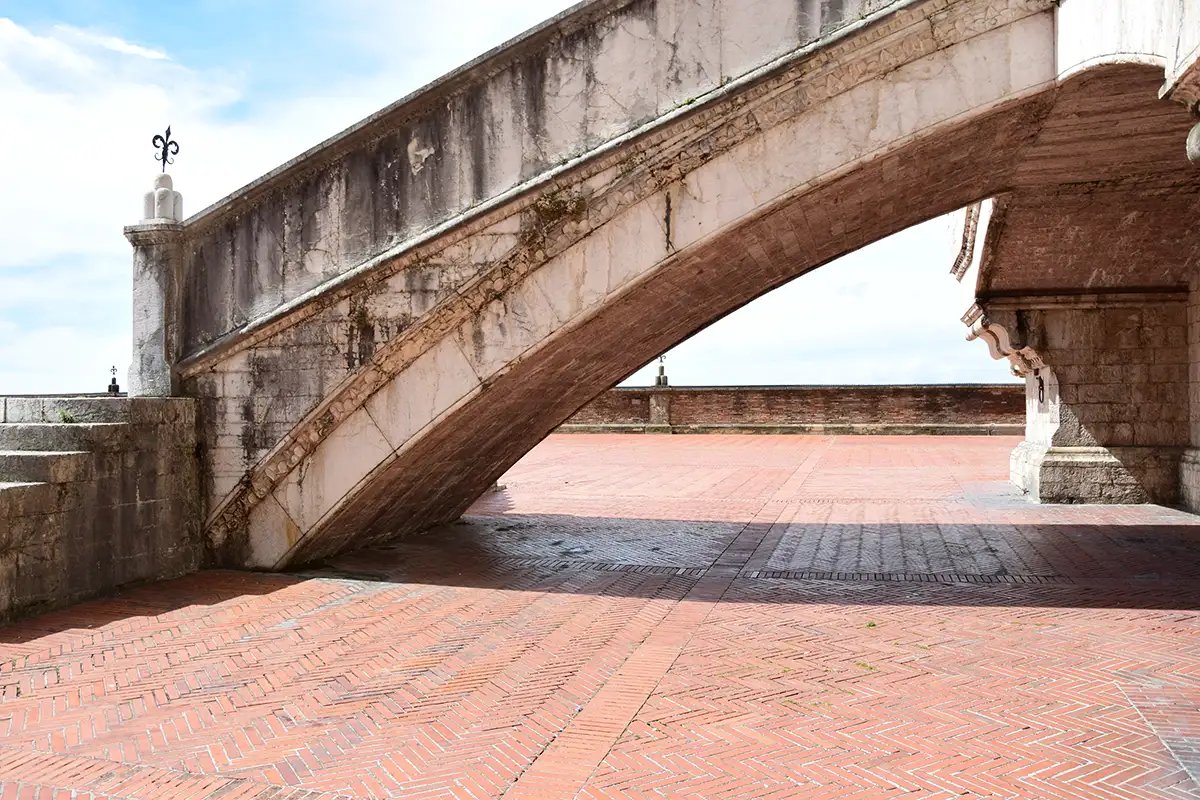
Piazza Grande: Considered one of the most evocative medieval squares in Italy, it is a true panoramic balcony over the valley. It is home to the majestic **Palazzo dei Consoli**, the symbol of the city, with its imposing Gothic façade and the possibility of climbing the tower to enjoy a breathtaking view.
Palazzo Ducale: Located in front of the Palazzo dei Consoli, it bears witness to the Renaissance period of the city. Today it houses a museum that traces the history and local art.
Duomo (Cathedral of Saints Mariano and Giacomo):** An elegant Gothic building that houses valuable works of art and evidence of the religious history of Gubbio.
Church of San Francesco: A Franciscan complex of great historical and artistic importance, with frescoes from the Giotto school.
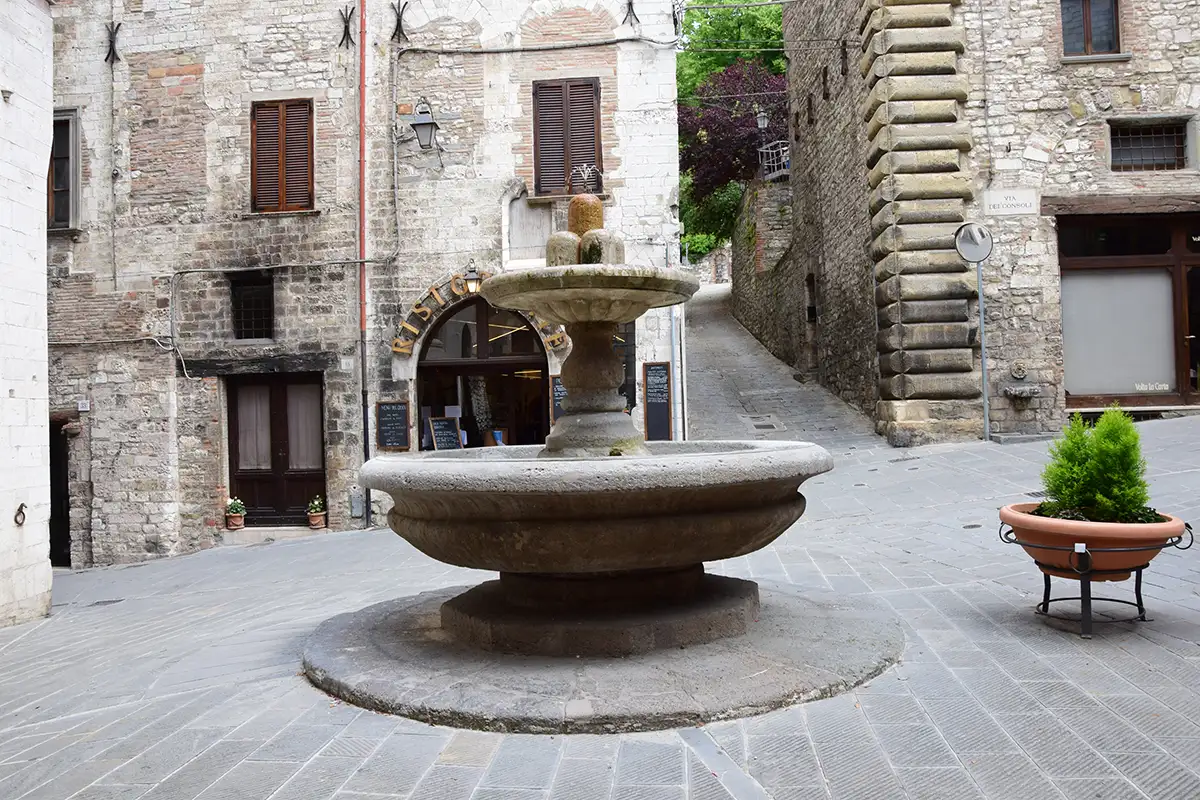
Via dei Consoli: The main street that crosses the historic center, dotted with artisan workshops, shops selling typical products and medieval buildings.
Teatro Romano: Located just outside the walls, it bears witness to the ancient Roman origins of the city. In the summer it hosts events and shows.
Colle Eletto Cableway: A suggestive way to reach the Basilica of Sant’Ubaldo, patron saint of Gubbio, located in a panoramic position on Mount Ingino. From here you can enjoy a spectacular view of the city and the surrounding valley.
Palazzo dei Consoli Civic Museum: Unmissable to learn more about the history, art and traditions of Gubbio, with archaeological finds, paintings and the famous Eugubine Tablets.
Diocesan Museum: Housed in the ancient Palazzo del Seminario, it collects works of sacred art from the diocese.
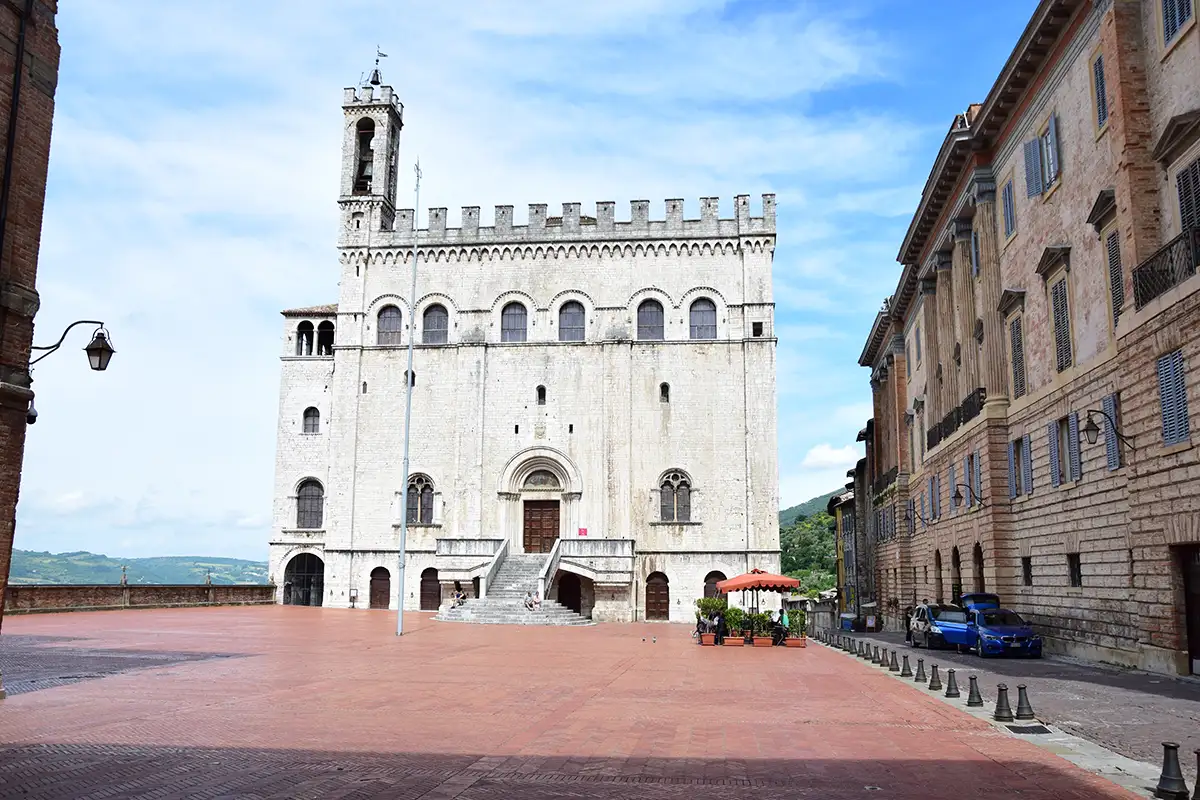
Gubbio is famous for its unique traditions and spectacular festivals:
The Festa dei Ceri (May 15): Gubbio’s most iconic event, a wild and exciting race of three wooden “ceri”, carried on the shoulders of teams of ceraioli in honor of the saints Ubaldo, Giorgio and Antonio. An unforgettable experience for its intensity and folklore.
The Palio della Balestra (last Sunday in May and second Sunday in August): A historical re-enactment of a medieval crossbow challenge between the cities of Gubbio and Sansepolcro, with parades in period costume.
The Antiques Market (every first weekend of the month):** An event for lovers of antiques and collectibles, with stalls that liven up the streets of the historic center.
Cultural and musical events: Throughout the year, Gubbio hosts concerts, exhibitions, theatrical performances and cultural events that enrich the tourist offer.
Getting to Gubbio and finding parking can be simple by following some tips:
By Car: Gubbio is well connected via the SS219 Pian d’Assino and the SS3 Flaminia. Exiting the A14 motorway (Ancona Nord or Fano exit) or the A1 (Valdichiana or Orte exit), follow the signs for Gubbio.
Parking: The historic centre of Gubbio is mostly a ZTL (Limited Traffic Zone), so it is advisable to park outside the walls. There are several paid and free car parks in the immediate vicinity:
Piazzale Roma Parking (paid): Large car park located just outside Porta Romana, convenient for reaching the centre on foot (about 5 minutes).
Teatro Romano Parking (free): A little further from the heart of the centre (about 10-15 minutes on foot uphill), but offers good availability of spaces.
San Pietro Parking (paid): Located near the church of San Pietro, it offers more direct access to the upper part of the centre.
Parking along Viale della Rimembranza (paid and free): Various parking areas along the road that runs alongside the walls.
Cable Car Parking (paid): Ideal if you intend to go up to Sant’Ubaldo straight away.
By Bus: Gubbio is served by several regional bus lines that connect it with the main cities of Umbria and the surrounding regions. The bus station is located in Piazzale Leopardi, a short distance from the historic center.
To make the most of your visit to Gubbio, here are some suggestions:
Wear comfortable shoes: The historic center is characterized by cobbled streets and hills, so it is essential to have footwear suitable for walking.
Bring a map with you: Useful for orienting yourself among the streets of the center and identifying the monuments. It can be found at the Tourist Office in Piazza Oderisi.
Find out about the opening hours of museums and monuments: They may vary depending on the season.
Taste the local cuisine: Gubbio offers a gastronomy rich in authentic flavors, with dishes based on truffles, grilled meat, crescia and fine wines. There is no shortage of restaurants and trattorias where you can taste the specialties of the area.
Visit the artisan workshops: Gubbio boasts a long artisan tradition, particularly in the processing of ceramics, wrought iron and wood. Buying a local souvenir is a way to bring home a piece of Eugubine authenticity.
Book accommodation in advance: Especially during the high season and during the holidays, it is advisable to book your hotel, B&B or farmhouse well in advance.
Find out about upcoming events: Gubbio’s calendar of events is often rich and varied. Consult the Municipality website or the Tourist Office to find out what the city has to offer during your stay.
Enjoy the atmosphere: Gubbio is a city that invites you to slowly discover it, to admire its architectural details, to get lost in its silent streets and to breathe in its thousand-year history.
Gubbio is a destination that will conquer the heart of every visitor, offering a unique mix of history, art, traditions and authentic flavors. Get ready for an unforgettable experience in the green heart of Umbria!